

Building, upgrading, and running a sewage water treatment plant requires a massive financial investment from municipalities and private industries across India. These facilities manage an incredibly harsh and unforgiving daily workload. Constant exposure to hydrogen sulfide, heavy moisture, and active biological waste rapidly destroys unprotected steel and concrete. Every single reliable sewage treatment plant relies on specialised industrial coatings to stop corrosion and prevent catastrophic structural failures.
This detailed guide covers the absolute best protective coatings available in the industry today. It explains how different areas of your facility require different chemical barriers. It also highlights exactly why proper asset protection is critical for long-term efficiency and how Cleantech Water can help you maintain a state-of-the-art facility.
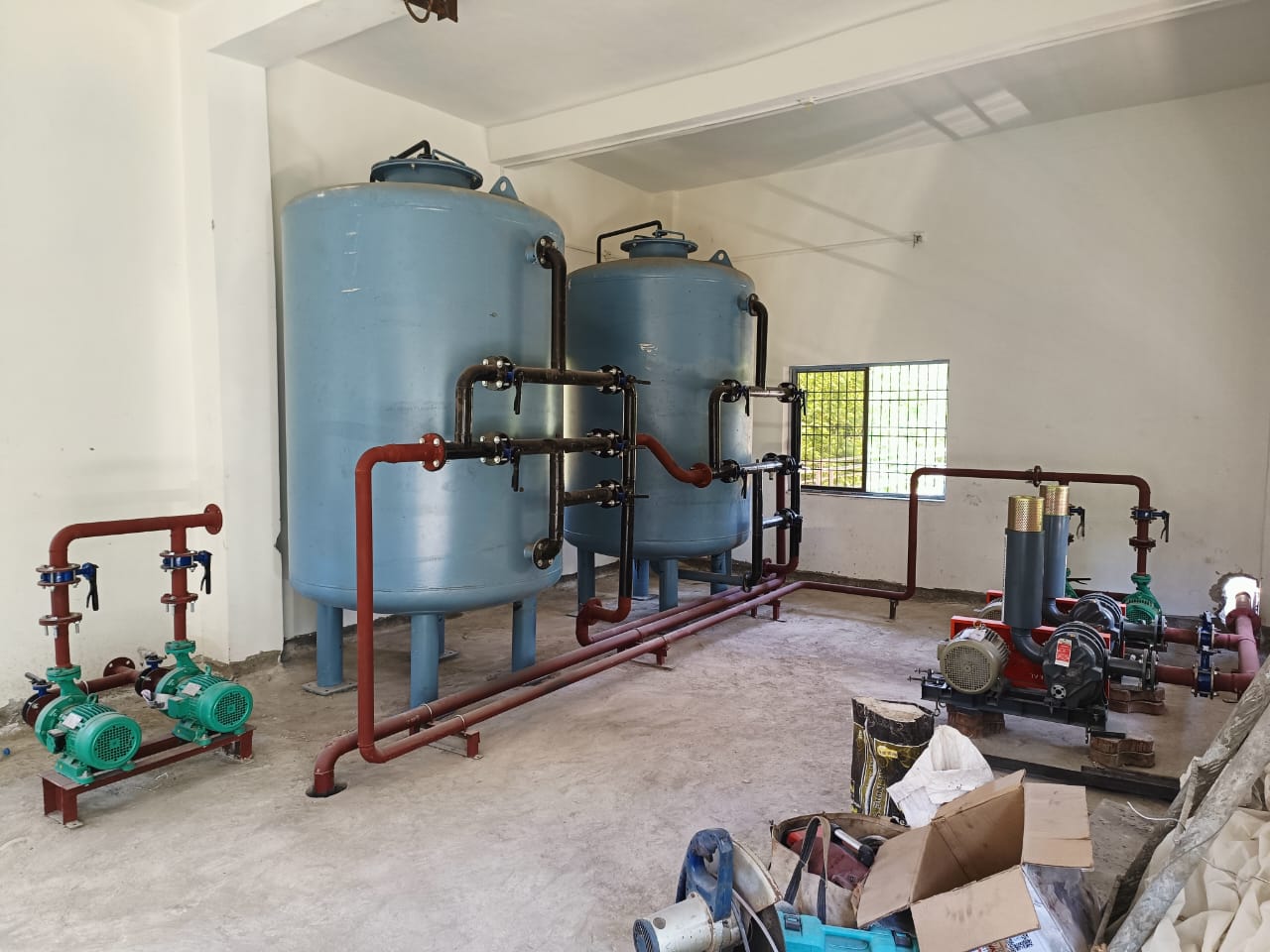
The Corrosive Wastewater Environment
Wastewater processing facilities face some of the most aggressive and relentless chemical environments on the planet. The raw influent entering any sewage treatment plant contains vast amounts of organic matter. As this organic matter breaks down during the treatment cycle, bacteria release large volumes of hydrogen sulfide gas. When this toxic gas mixes with the natural moisture in the air, a chemical reaction occurs. This reaction creates sulfuric acid on the walls and ceilings of the facility.
Sulfuric acid eats through bare metal and raw concrete at an alarming and dangerous rate. Constant moisture and full water immersion also take a heavy toll on the overall structural integrity of the plant. Raw concrete naturally acts just like a dense sponge. It easily absorbs contaminated water deep into its microscopic pores. This moisture eventually reaches the internal steel rebar supporting the structure. Once the water hits the steel, the rebar begins to rust and expand. This expansion creates massive internal pressure that causes the concrete to crack, spall, and fall apart.
Poor facility maintenance always leads to rapid structural decay and severe environmental hazards. A cracked and failing tank can easily leak contaminated raw sewage into the surrounding soil and local groundwater. This makes proactive corrosion prevention an absolute necessity rather than a simple maintenance option. Applying the correct industrial coatings ensures the entire facility operates safely and complies with strict Indian environmental regulations for decades.
Top Coating Technologies for a Sewage Treatment Plant
Facility managers must carefully select the right chemical barrier for each specific processing zone. The leading sewage treatment plants manufacturers engineer their equipment to accept these specific heavy-duty technologies. Understanding your options is the first step in effective facility maintenance. Here are the most effective industrial coating methods available to protect your physical assets.
1. High-Build Epoxy Coatings: The Industry Standard
High-build epoxy remains the foundational choice for severe and wet industrial environments. This dense material creates a very thick and durable barrier against harsh chemicals and constant water exposure. It offers excellent overall chemical resistance and forms a remarkably strong physical bond with raw concrete surfaces. Industrial coating experts regularly use high-build epoxy in primary holding tanks, main processing floors, and areas prone to heavy water splashing. It cures to a rock-hard finish that easily withstands daily operational abuse and heavy foot traffic. The thick application ensures that minor surface scratches do not immediately expose the vulnerable substrate beneath the paint.
2. Polyurethane Paint: UV and Weather Defence
Exterior assets need dedicated protection from shifting weather patterns and intense ultraviolet sunlight. Polyurethane paint provides an incredibly tough, glossy, and flexible outer layer for outside structures. Professionals very often apply polyurethane as a final protective topcoat directly over epoxy primers. The base epoxy provides the necessary chemical resistance while the polyurethane prevents the underlying epoxy from chalking, fading, and degrading under the intense sun. This proven dual-layer approach is absolutely perfect for outdoor clarifier walls, exposed structural steel, and external piping networks.
3. Zinc-Rich Primers: Superior Rust Prevention
Exposed steel structures require highly aggressive rust prevention strategies to survive near wastewater. Zinc-rich primers offer a unique type of active defence known as cathodic protection. The heavy zinc dust suspended in the primer acts as a dedicated sacrificial layer. If the topcoat paint gets deeply scratched by dropping a tool, the corrosive environmental elements attack the zinc instead of the underlying steel substrate. This smart chemical reaction buys maintenance teams enough time to spot the damage and repair the coating before the structural steel suffers any permanent decay.
4. Elastomeric Polyurethanes: Crack Bridging
Heavy concrete basins naturally shift, vibrate, and settle over time due to soil movement and massive water weight. This inevitable movement creates hairline cracks that easily allow contaminated water to penetrate the sealed surface. Elastomeric polyurethanes are specifically formulated to stretch and move with the concrete substrate. This incredible flexibility allows the thick coating to actively bridge small cracks without tearing or breaking the waterproof protective seal. These highly flexible coatings are extremely valuable for large secondary containment basins where structural settling is highly expected and unavoidable.
5. Novolac Epoxies: Extreme Chemical Resistance
Certain enclosed areas of a sewage treatment plant handle extremely concentrated and dangerous chemical attacks. Primary holding tanks, sludge digesters, and enclosed processing spaces experience very heavy hydrogen sulfide gas buildup. Novolac epoxies provide a massive step up in protection from standard high-build epoxies. They feature a tightly cross-linked chemical structure that easily resists severe sulfuric acid exposure and aggressive solvents. These specialised high-performance coatings keep the most dangerous and corrosive containment areas completely secure from rapid structural degradation.
6. Polyurea Coatings: Fast Turnaround and Flexibility
Facility downtime costs a tremendous amount of money and severely disrupts vital municipal and industrial services. Polyurea coatings offer incredibly rapid cure times that solve this exact problem. These advanced coatings actually dry to the touch in a matter of seconds and fully cure for immersion within just a few hours. A treatment plant can get a critical processing tank back online incredibly fast. Polyurea is also highly flexible and completely waterproof by nature. This unique combination makes it an excellent choice for sealing large concrete tanks quickly and permanently.
7. Glass-Flake Coatings: High Abrasion Protection
Modern wastewater treatment inherently involves moving a massive amount of heavy grit, sand, rocks, and solid waste. This constant daily friction wears down standard industrial paint very quickly. Glass-flake coatings contain thousands of microscopic overlapping glass particles mixed directly into the resin. These tiny glass flakes create a dense and heavy-duty physical barrier. They block abrasive wear and stop harmful moisture permeation simultaneously. These incredibly tough coatings are absolutely perfect for protecting grit chambers, primary influent channels, and active sludge handling areas.
8. Coal Tar Epoxies: Traditional Waterproofing
Newer and more eco-friendly coating options are certainly becoming much more popular today. However, coal tar epoxies possess a very long and highly proven history in global wastewater management. They offer truly incredible water resistance for buried underground pipes and the deep bottoms of large clarifier tanks. Many older existing sewage treatment plants still rely heavily on this legacy waterproofing option. Understanding exactly how to properly apply, repair, and maintain coal tar epoxy is completely essential for servicing existing ageing infrastructure safely.
Critical Zones Requiring Asset Protection
A modern wastewater facility contains dozens of different moving parts and massive static structures. Whether you manage a sprawling municipal site or a very compact packaged sewage treatment plant, specific functional zones require dedicated attention. Let us look closely at the most vulnerable areas in your facility.
1. Concrete Sealing for Clarifiers and Aeration Basins
Clarifiers and aeration basins hold massive volumes of constantly moving water. The raw concrete in these specific zones sits entirely submerged for years or even decades at a time. High-quality chemical-resistant coatings stop the aggressive wastewater from seeping directly into the highly porous concrete walls. If water penetrates these walls, it quickly rusts the internal steel rebar and totally destroys the structural integrity of the holding tank.
Industry experts focus heavily on using proven immersion-grade epoxy products for these demanding underwater areas. A thick, smooth, and pinhole-free application is the only guaranteed way to keep the base concrete completely safe from chemical attack. Even a highly modern MBBR sewage treatment plant relies entirely on perfectly sealed concrete basins to safely house its moving bed biofilm reactors without springing dangerous leaks.
2. Protecting Structural Steel and Walkways
Metal walkways, access ladders, and safety handrails stretch entirely across the open tops of active wastewater tanks. These necessary steel components sit directly in the constant path of rising corrosive vapours and daily heavy condensation. Without proper and rigorous protective coatings, this structural steel rusts very rapidly and quickly becomes a major safety hazard for your facility workers.
Professional industrial coating methods for these elevated areas always include heavy zinc-rich primers combined with highly durable polyurethane topcoats. Furthermore, applying specific safety coatings infused with heavy non-slip aggregates ensures that your maintenance crews can walk safely across the facility during wet and slippery weather conditions. Safety must always come first.
3. Safeguarding Pipes and Pumping Stations
Pumping stations handle the critical heavy lifting of moving raw sewage rapidly from one processing stage to the next. This vital high-flow piping infrastructure requires both internal and external defensive coating strategies. Externally, the steel pipes need strong defence against heavy surface condensation and general atmospheric corrosion.
Internally, these pipes face constant fluid friction and severe biological and chemical exposure. Applying highly smooth interior epoxy coatings greatly reduces internal fluid friction. This improved internal flow significantly reduces the daily mechanical workload on the expensive pumps. Pumps also suffer from an intense physical phenomenon known as cavitation. Rapid pressure changes in the water create tiny bubbles that violently collapse against the metal impellers. Specialised ceramic-filled epoxy coatings offer incredible impact resistance to fight off this cavitation damage. Lowering the pump workload and preventing internal damage ultimately lowers the daily operational energy costs for the entire facility.
The Role of Proper Surface Preparation
Even the most advanced industrial coatings fail quickly without correct surface preparation. You cannot paint directly over existing rust, biological dirt, or wet raw concrete. Proper preparation ensures the new liquid coating sticks permanently to the solid surface.
Abrasive blasting is the best way to prepare structural steel and concrete walls. This process removes flaking paint and heavy rust. It creates a rough microscopic texture known as an anchor profile. The newly applied epoxy physically grips this jagged texture. Without a proper anchor profile, thick coatings will peel off when exposed to heavy water flow.
Facility managers must also remove invisible surface contaminants. Soluble salts and chlorides frequently cling to the walls of a sewage treatment plant. If these salts remain on the steel, they pull moisture through the new coating. This creates a highly destructive process called osmotic blistering.
Moisture testing is another critical step before painting any concrete structure. Concrete must be completely dry and fully cured. If teams apply thick epoxy over wet concrete, trapped internal moisture tries to escape as vapour. This pressure inevitably causes the expensive new coating to blister, crack, and pop off. Rigorous testing prevents these massive failures.
Partner with Cleantech Water for Asset Protection
Protecting a complex wastewater facility requires highly specialised industrial knowledge and extensive field experience. The varying climate conditions in different regions add another major layer of difficulty to the application and maintenance process. Sudden temperature drops, high ambient humidity during monsoons, and extreme summer heat can easily complicate a massive industrial coating project. This is why partnering with experienced water treatment experts is entirely essential for success.
Standard general contractors almost always lack the specific heavy equipment and strict safety training needed to apply heavy-duty marine and industrial coatings correctly. Specialised teams know exactly how to test concrete surface moisture and accurately measure ambient dew points before initiating any protective work. We understand the tricky Indian weather windows perfectly. We know exactly when to maintain and protect sensitive infrastructure to ensure proper chemical curing and maximum long-term resistance.
Hiring dedicated industry experts is much safer and far more cost-effective than risking a massive equipment failure. A failed tank means draining the massive basins again, sandblasting off ruined materials, and starting the entire expensive project completely over. By relying on top-tier engineering the first time, facility managers actively protect their limited budgets and securely preserve their critical physical infrastructure.
If you actively manage a wastewater facility and need highly reliable asset protection, system upgrades, or a brand new installation, contact Cleantech Water at +91-9099915539 or +91-9558996411, or write to us at info@cleantechwater.co.in. As a leading solutions provider in India, we deliver expertly engineered systems perfectly tailored to your specific chemical environment and industrial needs. Let our highly experienced team keep your crucial facility running safely, cleanly, and efficiently for decades to come.