

⏱ Last Updated: July 2026 | By Vipul Chavda, Co-Founder & Water Treatment Expert, Cleantech Water (13+ years experience)
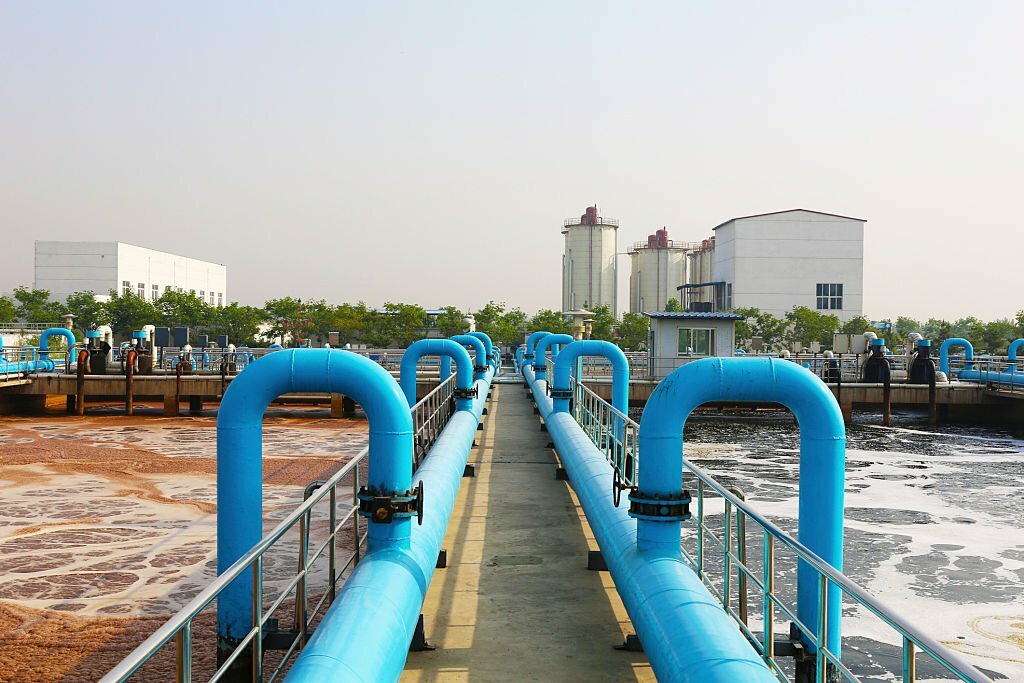
Wastewater treatment plants in India, especially in bustling urban centres, face the formidable task of purifying water tainted with diverse pollutants. Amidst the myriad tools employed in these facilities, microorganisms emerge as silent workers, diligently coordinating the conversion of contaminated water into a resource suitable for reuse or safe discharge.
This updated 2026 guide dives into the fascinating world of microorganisms — what types are used, how they help in sewage treatment plants, what results they achieve, and how modern technologies like MBBR and MBR harness microbial action for superior treatment efficiency.
How do microorganisms help in sewage treatment plants?
Microorganisms break down organic pollutants (BOD/COD), remove nutrients (nitrogen, phosphorus), reduce suspended solids (TSS), eliminate fats/oils/grease (FOG), and neutralise odour compounds in wastewater. Aerobic bacteria consume organic matter using oxygen; anaerobic bacteria digest high-strength waste without oxygen; facultative bacteria work in both conditions. Together they convert raw sewage into treated effluent safe for discharge or reuse — without chemicals.
Microorganisms in Nature
Microorganisms are nature’s recyclers, omnipresent and fundamental in various ecological processes. Bacteria, fungi, algae, and protozoa constitute this diverse group, contributing significantly to the balance of ecosystems. These microorganisms are strategically employed in wastewater treatment plants for their unique abilities to break down organic matter and pollutants, facilitating the conversion of wastewater into a harmless form.
Types of Microorganisms Used in Wastewater Treatment Plants
Multiple categories of microorganisms work together at different stages of wastewater treatment. Here is a complete reference of all microorganism types used in modern sewage treatment plants in India:
| Microorganism Type | Examples | Role in Treatment | Treatment Stage |
|---|---|---|---|
| Aerobic Bacteria | Pseudomonas, Bacillus, Nitrosomonas | Break down organic matter, nitrification | Secondary (aerobic) |
| Anaerobic Bacteria | Methanobacterium, Clostridium | Digest high-strength waste, produce methane | Sludge digestion, high-strength industrial WW |
| Facultative Bacteria | E. coli (beneficial strains), Lactobacillus | Versatile — work in aerobic & anaerobic conditions | All stages |
| Nitrifying Bacteria | Nitrosomonas, Nitrobacter | Convert ammonia → nitrite → nitrate (nitrification) | Secondary — nitrogen removal |
| Denitrifying Bacteria | Paracoccus, Thiobacillus | Convert nitrate → nitrogen gas (denitrification) | Anoxic zone — nitrogen removal |
| Fungi | Aspergillus, Penicillium | Break down complex organic compounds, cellulose | Industrial wastewater (textile, paper) |
| Algae | Chlorella, Scenedesmus | Photosynthetic oxygen production, nutrient uptake | Stabilisation ponds, tertiary polishing |
| Protozoa | Paramecium, Vorticella | Graze on bacteria, improve effluent clarity | Secondary — effluent polishing |
Common Microorganisms Used in Wastewater Treatment Plants
Aerobic Bacteria
Aerobic bacteria, thriving in oxygen-rich environments, play a crucial role in the initial stages of wastewater treatment. These microorganisms exhibit an unparalleled knack for consuming organic pollutants, including proteins, carbohydrates, and fats. Through aerobic respiration, they transform these complex substances into simpler compounds, laying the foundation for the overall efficiency of wastewater treatment plants.
Certain strains of aerobic bacteria are specifically tailored to target and degrade different types of contaminants. Pseudomonas and Bacillus species are known for their prowess in breaking down hydrocarbons, making them essential in treating wastewater from industries dealing with oil and petroleum products. In modern MBBR systems, aerobic bacteria attach to plastic bio-carriers, forming biofilm that dramatically increases treatment efficiency per unit volume.
Anaerobic Bacteria
In the oxygen-depleted environments of the secondary treatment phase, anaerobic bacteria take centre stage. These microorganisms specialise in breaking down complex organic compounds through anaerobic digestion. The unique byproduct of this process is methane gas, a valuable resource that can be harnessed as renewable energy. This dual functionality positions anaerobic bacteria as key players in treating high-strength industrial wastewater, offering pollution control and energy generation.
2026 update: Anaerobic digestion is now widely used in Gujarat’s industrial wastewater treatment — especially in textile and food processing ETPs — to reduce organic load before aerobic treatment, significantly lowering energy costs.
Facultative Bacteria
Facultative bacteria exhibit unmatched versatility with their ability to thrive in oxygen-rich and oxygen-depleted conditions. This adaptability makes them indispensable at various stages of wastewater treatment, contributing significantly to the reduction of organic matter and nutrients. Research continues to identify specific strains of facultative bacteria that can thrive in the diverse wastewater conditions observed in Indian treatment plants.
Results of Using Microorganisms in Wastewater Treatment
The integration of microorganisms in wastewater treatment plants yields multifaceted benefits, significantly enhancing the efficiency and environmental sustainability of the process.
| Parameter | What Microorganisms Do | CPCB Discharge Standard (2026) |
|---|---|---|
| BOD | Aerobic bacteria consume organic matter, reducing oxygen demand | < 30 mg/L (inland surface water) |
| COD | Mixed microbial communities break down chemical contaminants | < 250 mg/L |
| TSS | Protozoa graze on bacteria; floc formation improves settling | < 100 mg/L |
| Nitrogen (TN) | Nitrifying + denitrifying bacteria convert ammonia to N₂ gas | < 10–15 mg/L (MBR systems) |
| FOG | Lipase-producing bacteria break down fats, oils, grease | < 10 mg/L |
FOG (Fats, Oil, and Grease) Elimination
The battle against FOG in wastewater is a constant challenge, particularly in regions with high culinary or industrial activity. Aerobic bacteria, with their voracious appetite for fats, oils, and grease, play a pivotal role in preventing the accumulation of these substances in treatment systems. Innovative approaches, such as bioaugmentation — introducing specific microbial cultures — are being explored in sewage treatment plants to address localised FOG challenges.
BOD (Biochemical Oxygen Demand) Reduction
Microorganisms, especially aerobic bacteria, act as biochemical processors, targeting and reducing the biochemical oxygen demand in wastewater. This reduction is crucial in preventing oxygen depletion in water bodies and safeguarding aquatic ecosystems. CPCB mandates BOD below 30 mg/L for discharge into inland surface waters — a standard routinely achieved by modern biological treatment systems.
COD (Chemical Oxygen Demand) Reduction
Reducing chemical oxygen demand is a critical objective in wastewater treatment, and microorganisms are at the forefront of achieving this. Efforts are underway to optimise the groups of microorganisms used in treatment plants to efficiently break down organic and inorganic contaminants, substantially reducing COD levels. These advancements contribute to environmental conservation and sustainable water management in water-scarce regions.
TSS (Total Suspended Solids) Reduction
Removing total suspended solids is a critical aspect of wastewater treatment, impacting the visual clarity of treated water and preventing environmental harm. Microorganisms, especially those in the secondary treatment phase, are pivotal in facilitating the sedimentation process. Protozoa such as Vorticella graze on suspended bacteria, improving effluent clarity by reducing free-swimming cells.
Odour Elimination
Microorganisms don’t just tackle pollutants — they also contribute significantly to eliminating unpleasant odours associated with wastewater. The metabolic activities of these microscopic allies transform sulphur compounds (H₂S) and other odorous molecules into less offensive byproducts, making the process more acceptable to surrounding environments. Biofiltration systems incorporating specific odour-reducing microbial strains are increasingly used at STP inlet points.
How Modern STP Technologies Harness Microorganisms
Traditional activated sludge systems keep microorganisms suspended in mixed liquor. Modern technologies provide structured environments for microbial growth — dramatically improving efficiency:
| Technology | How Microorganisms Are Used | Key Advantage |
|---|---|---|
| MBBR | Biofilm attached to plastic bio-carriers; both aerobic & anaerobic zones possible | High biomass concentration in small footprint; robust to load variations |
| MBR | Activated sludge combined with membrane filtration; retains all biomass | Highest effluent quality; treated water suitable for direct reuse |
| SBR | Sequenced aerobic/anoxic/anaerobic cycles in single tank | Complete nitrogen and phosphorus removal in compact system |
Innovation and Future Prospects
As wastewater treatment becomes more critical in India’s evolving landscape, ongoing research and innovation continue to push the boundaries of microbial applications. From harnessing microbial fuel cells for electricity generation to developing smart microbial sensors for real-time monitoring, the future holds promising prospects for integrating microorganisms in wastewater treatment plants more effectively.
2026 trend: IoT-enabled aeration control systems are increasingly being used in Indian STPs to dynamically adjust dissolved oxygen levels based on real-time microbial load, reducing energy consumption by 25–40% while maintaining optimal biological treatment performance.
The Role of the Physical Environment
Microorganisms in sewage treatment plants need a specific environment to thrive and break down waste efficiently. The right balance of oxygen levels, pH, temperature, and nutrients is necessary.
Sewage Composition
The sewage that flows into wastewater treatment plants is a complex mixture of organic and inorganic compounds, including solids, liquids, and dissolved materials. The composition of sewage is diverse, which makes it challenging for the microbial community to adapt and thrive. Advanced monitoring systems are employed to analyse sewage composition in real-time, allowing plant operators to make informed decisions, adjusting treatment processes to accommodate fluctuations in incoming sewage.
Oxygen Level
Different types of microorganisms have different needs when it comes to oxygen levels. Some bacteria thrive in environments with plenty of oxygen, while others do better in environments with less oxygen. In sewage plants, sophisticated aeration systems regulate oxygen levels. Aeration provides the necessary oxygen for aerobic bacteria and prevents the accumulation of anaerobic byproducts. The optimal dissolved oxygen (DO) level for aerobic biological treatment is 2–4 mg/L.
pH
The pH level of the wastewater is a critical factor influencing microbial activity. Microorganisms exhibit distinct preferences for acidic, neutral, or alkaline environments. Most biological treatment systems operate optimally at pH 6.5–8.5. Treatment plants rely on advanced pH monitoring and adjustment systems to maintain the ideal chemical environment for the microorganisms responsible for breaking down organic material.
Temperature
Maintaining an optimal temperature range for wastewater treatment plants is crucial for the microbial workforce. Most aerobic bacteria in STPs are mesophilic — performing best at 20–35°C. In India’s climate, this is naturally maintained for most of the year. State-of-the-art heating and cooling systems regulate temperature in plants where feed water temperatures deviate significantly from this range.
Nutrient Availability
Microorganisms require specific nutrients to fuel their metabolic processes. Nutrient management systems, including adding nitrogen and phosphorus compounds, are calibrated to meet the microbial community’s nutritional needs. The general rule for biological treatment is a BOD:N:P ratio of 100:5:1 — deficiencies in nitrogen or phosphorus can severely limit microbial activity and treatment efficiency.
Frequently Asked Questions — Microorganisms in Wastewater Treatment
What is the role of microorganisms in wastewater treatment?
The role of microorganisms in wastewater treatment is to biologically break down organic pollutants, reduce BOD/COD, remove nutrients (nitrogen and phosphorus), eliminate fats/oils/grease, reduce total suspended solids, and neutralise odour compounds. Different microorganism types work at different treatment stages — aerobic bacteria in aerated secondary treatment, anaerobic bacteria in sludge digestion, and protozoa in effluent polishing. Together they replace expensive chemical treatment, making biological STPs highly cost-effective.
What types of bacteria are used in wastewater treatment plants?
The main types of bacteria used in wastewater treatment plants are: aerobic bacteria (Pseudomonas, Bacillus — break down organic matter using oxygen), anaerobic bacteria (Methanobacterium, Clostridium — digest waste without oxygen, producing methane), facultative bacteria (work in both aerobic and anaerobic conditions), nitrifying bacteria (Nitrosomonas, Nitrobacter — convert ammonia to nitrate), and denitrifying bacteria (Paracoccus — convert nitrate to harmless nitrogen gas). Each type is essential for complete wastewater treatment.
How do microorganisms help in sewage treatment plants?
Microorganisms help in sewage treatment plants by consuming and decomposing organic waste through biological metabolism — without requiring external chemicals. Aerobic bacteria in the aeration tank consume dissolved organic matter; anaerobic bacteria in digesters break down sludge and produce biogas; protozoa graze on suspended bacteria to clarify the effluent. This biological process reduces BOD by 85–95%, COD by 70–85%, and produces treated water that meets CPCB discharge standards for inland surface waters.
What microorganisms are used in wastewater treatment in India?
In Indian wastewater treatment plants, the primary microorganisms used are aerobic heterotrophic bacteria (for organic matter removal), nitrifying bacteria (for ammonia conversion — especially important in STPs serving food processing and dairy industries in Gujarat), denitrifying bacteria (for nitrogen removal in MBBR and SBR systems), methanogenic archaea (in anaerobic digesters for sludge treatment and biogas recovery), and protozoa and rotifers (in the final clarifier for effluent polishing).
What conditions do microorganisms need to work efficiently in a STP?
Microorganisms in an STP work most efficiently when: dissolved oxygen is 2–4 mg/L (for aerobic zones); pH is maintained between 6.5–8.5; temperature is 20–35°C; BOD:N:P nutrient ratio is approximately 100:5:1; and toxic substances (heavy metals, high chlorine, sudden pH shocks) are absent. Regular monitoring of these parameters is essential for maintaining a healthy microbial population — which is the core of any biological wastewater treatment system.
Get the Best Services for Your Wastewater Treatment Plant
At Cleantech Water, we offer operational and maintenance services for wastewater treatment plants across India. Our team of experts has extensive knowledge of wastewater treatment and provides customised solutions to ensure your facility performs at its best. We take care of everything from equipment maintenance to system optimisation to enhance your plant’s efficiency.
Our services are designed to help you achieve your wastewater treatment goals without any operational difficulties. We believe that maintaining your plant’s performance is crucial for its longevity and positive environmental impact. Our team is committed to providing the best-in-class operational and maintenance services tailored to your plant’s unique requirements.
Contact us today at +91-9558996411 or write to us at Info@cleantechwater.co.in. At Cleantech Water, we ensure that your plant achieves optimal performance while meeting your specific needs.
Vipul Chavda — Co-Founder, Cleantech Water
With 13+ years of experience designing biological wastewater treatment systems — MBBR, MBR, SBR — across Gujarat and 6 Indian states, Vipul leads Cleantech Water’s engineering team. Cleantech Water has delivered 150+ STP installations for clients including GIFT City, Adani, TATA, and Mother Dairy.