

Every factory manager knows the stress of a surprise audit. The Pollution Control Board inspectors arrive. They take samples. You wait for the lab report. If your Chemical Oxygen Demand (COD) or Total Dissolved Solids (TDS) are high, you face big trouble. You could face heavy fines. They might even shut down your operations. This is a nightmare for any business.
Water pollution norms are getting stricter every year in India. Industries can no longer rely on old methods to treat their waste. You need a modern and robust system. This is where a high-quality effluent treatment plant becomes your most valuable asset. It acts as the kidney of your factory. It filters out the toxins before the water leaves your premises.
This guide explores how to manage complex industrial waste. We will look at practical solutions for high COD and TDS. We will also discuss how to choose the right technology for your specific industry.
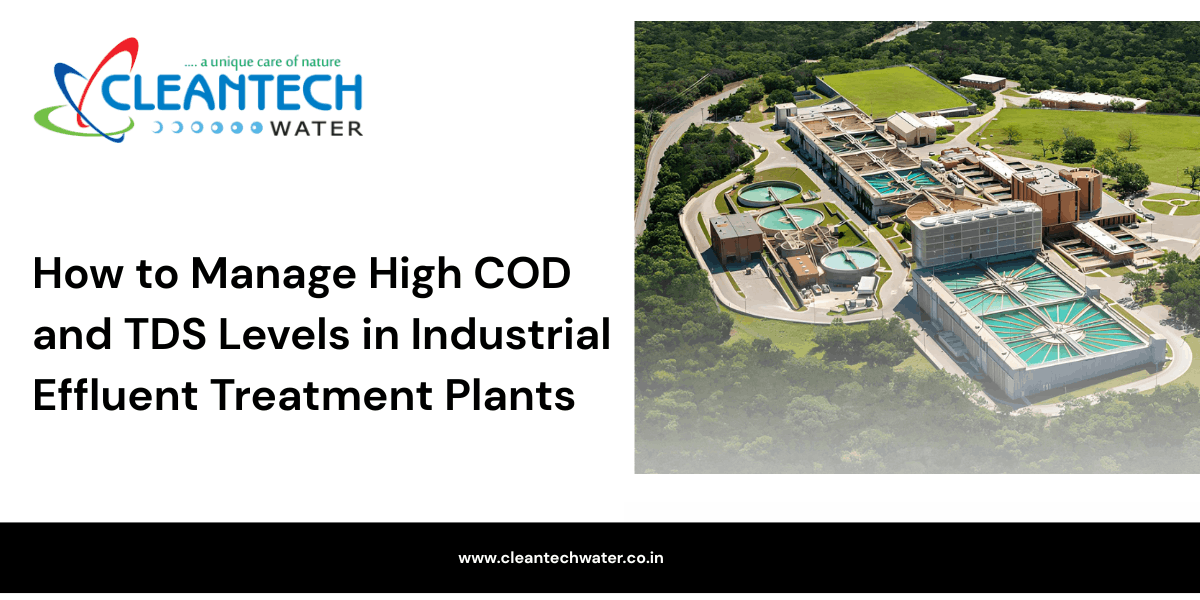
Understanding High COD and TDS in Industrial Effluent Treatment Plants
Industrial wastewater is very different from domestic sewage. It is often loaded with harsh chemicals, oils, and heavy metals. Two specific parameters usually cause the most headaches. These are COD and TDS.
COD measures the amount of oxygen required to break down pollutants chemically.Elevated COD readings indicate severe oxygen depletion, which poses a critical threat to the survival of marine ecosystems. TDS represents the dissolved salts and minerals in the water. High TDS makes water unfit for irrigation or reuse.
Many industrial effluent treatment plants struggle with these two factors. Standard biological treatment works well for sewage. However, it often fails against the chemical shock loads from a factory. You might see your bacteria dying in the aeration tank. This leads to poor treatment results.
You need to understand the source of these pollutants first. High COD often comes from dyes, solvents, or food waste. High TDS often comes from bleaching agents, salts, or neutralisation chemicals. Identifying the source helps you treat it effectively.
The Core Process of Effluent Water Treatment
Treating industrial water is not a single step. It is a chain of processes. Each link in the chain must work perfectly. If one stage fails, the entire system faces the failure.
Preliminary Treatment
This is the first line of defence. It involves the removal of large solids using a physical method. You use bar screens to catch rags, plastic, and debris. This protects your pumps from getting clogged. It also prevents damage to downstream equipment.
Primary Treatment
This stage focuses on settling and separation. Heavy solids settle at the bottom of a clarifier. Oil and grease float to the top for removal. This phase effectively strips away the bulk of the floating particles. It prepares the water for the next tough stage.
Secondary Treatment
This is the heart of effluent water treatment. It can be biological or chemical. For high COD, you often need aggressive oxidation. This breaks down the complex organic molecules. Biological systems use bacteria to eat the organic waste.
Tertiary Treatment
This is the polishing stage. It removes the final traces of impurities. You might use sand filters or activated carbon filters here. This stage ensures the water is clear and odourless. It brings the parameters within safe discharge limits.
Get Your Custom ETP Quote!
Advanced Technologies for Industrial Effluent Treatment Plants
Basic treatment is often not enough for modern industries. You might need advanced technology to meet Zero Liquid Discharge (ZLD) norms. ZLD means you recycle every drop of water. Nothing leaves your factory boundaries.
1. Moving Bed Biofilm Reactor (MBBR)
This technology uses small plastic carriers in the aeration tank. Bacteria grow on these carriers. This provides a large surface area for treatment. It makes the system very compact. It handles shock loads better than traditional activated sludge.
2. Membrane Bioreactor (MBR)
MBR combines biological treatment with membrane filtration. It replaces the secondary clarifier. It produces very high-quality treated water. You can often reuse this water directly for flushing or gardening.
3. Reverse Osmosis (RO)
RO is essential for tackling high TDS. It forces water through a semipermeable membrane. This membrane blocks dissolved salts. The clean water passes through. The concentrated reject water goes to an evaporator.
4. Agitated Thin Film Dryer (ATFD)
This is the final step in a ZLD system. It takes the rejected water from the RO. It evaporates the water completely. You are left with dry salt solids. You can dispose of these solids in a landfill.
Using these advanced industrial effluent treatment plants ensures total compliance. It also allows you to recover valuable water for your process. This saves you money on buying fresh water.
The Role of a Packaged Effluent Treatment Plant
Not every factory has acres of land to spare. Small and medium enterprises often face space constraints. They cannot build huge concrete tanks. For them, a packaged effluent treatment plant is the ideal solution.
These plants are pre-engineered and pre-fabricated. They come mounted on skids or inside containers. You simply unload them and connect the pipes. They are plug-and-play systems.
Key Benefits of Packaged Plants:
- Small Footprint: They take up very little space. You can even install them on a terrace or in a basement.
- Quick Installation: You avoid months of civil construction work. You can be up and running in a few weeks.
- Portability: If you move your factory, you can take the plant with you. This protects your investment.
- Automation: Most packaged plants come with automatic controls. This reduces the need for constant manual supervision.
These units are perfect for small food processing units, electroplating shops, or textile units. They offer the same performance as large plants but in a compact size.
Steps to Optimise Effluent Wastewater Treatment
Optimisation saves money. A well-tuned plant uses less power and fewer chemicals. It also produces less sludge. Here is how you can optimise your effluent wastewater treatment process.
1. Equalisation is Key
Industrial flow is never constant. You have shifts. You have batch dumps. An equalisation tank mixes the effluent. It balances the pH and flow rate. This provides a steady feed to the treatment plant. It prevents shock loads that kill bacteria.
2. Precise Chemical Dosing
Over-dosing chemicals wastes money. It also adds to the sludge volume. Underdosing leads to poor treatment. You need to use automated dosing pumps. These pumps adjust the chemical flow based on real-time needs.
3. Regular Sludge Removal
Sludge is the byproduct of treatment. If you let it build up, it reduces the tank capacity. It can also carry over into your treated water. You must dewater and remove sludge regularly. A filter press or centrifuge helps handle this mess efficiently.
4. Aeration Control
Aeration consumes the most energy in an ETP. You do not need complete aeration when the load is low. Variable Frequency Drives (VFDs) on your blowers can help. They speed up or slow down the motors based on oxygen demand. This can lower your electricity bill significantly.
Critical Aspects of Effluent Treatment Plant Maintenance
Even the best machine needs care. An ETP is a complex mix of pumps, motors, and tanks. Neglect leads to breakdowns. Breakdowns lead to compliance issues. You need a strict routine for effluent treatment plant maintenance.
Daily Checklist
- Check Pumps: Listen for strange noises. Check for leaks in the seals.
- Monitor pH: Ensure the pH meter is reading correctly. Calibrate it if needed.
- Visual Inspection: Look at the colour of the water in each tank. It tells you a lot about the health of the process.
- Log Book: Record the flow rates and chemical consumption every shift. This helps in troubleshooting later.
Weekly Checklist
- Clean Screens: Remove debris from the bar screens.
- Lubrication: Grease the bearings of motors and mixers.
- Sensor Cleaning: Wipe down the probes for pH and dissolved oxygen. Dirty sensors give false readings.
Monthly Checklist
- Oil Change: Check the oil levels in gearboxes.
- Tank Cleaning: Check for sludge buildup in the equalisation tank.
- Electrical Check: Tighten loose connections in the control panel.
Preventive maintenance costs far less than emergency repairs. It also ensures you never fail a surprise inspection.
Difference Between Effluent Sewage Treatment Plant and ETP
There is often confusion between these two terms. Can you use a sewage plant for factory waste? The answer is generally no.
An effluent sewage treatment plant is designed for human waste. This waste is highly biodegradable. It has a specific ratio of carbon, nitrogen, and phosphorus. The bacteria in an STP are trained to eat this specific diet.
Industrial effluent is different. It might lack nutrients. It might contain toxic metals. It might have a very high or very low pH. If you put this waste into a standard STP, the system will crash. The bacteria will die.
However, some industries have mixed waste. They have factory toilets and process water. In such cases, you need a combined system. You might treat the industrial stream separately first. Then you mix it with the sewage for the final biological stage.
Understanding this difference is vital. Do not let a vendor sell you a simple STP for complex chemical waste. It will not work. You need a specialised design.
Choosing the Right Effluent Treatment Plant Suppliers in India
The market is flooded with vendors. Everyone claims to be the best. How do you find reliable effluent treatment plant suppliers in India? You need to do your homework.
1. Look for Experience
Ask for a reference list. Have they worked in your specific industry? A vendor good at dairy waste might fail at textile waste. The chemistry is entirely different.
2. Visit a Running Plant
Do not just look at photos. Go to a site they have installed. Talk to the operator there. Ask about the problems they face. This gives you the real picture.
3. Check Service Support
A plant will run for 10 or 15 years. You need a partner who sticks around. Do they have a local service team? Do they keep spare parts in stock? Good after-sales support is worth paying a premium for.
4. Verify Design Capabilities
Some vendors are just assemblers. They buy parts and put them together. They do not understand the process engineering. You need a company that designs the system from first principles. They should analyse your water sample before giving a quote.
Future Trends in the Effluent Treatment Plant Industry
The world of water treatment is evolving. New technologies are making treatment cheaper and more efficient.
1. Internet of Things (IoT)
Smart sensors are changing the game. You can now monitor your ETP from your phone. You get alerts if a pump fails or pH spikes. This allows for remote troubleshooting. It reduces the need for expensive site visits.
2. Energy Recovery
New designs focus on saving power. Some systems generate biogas from the waste. You can use this gas to generate electricity. This turns your waste into an asset.
3. Advanced Oxidation
Chemicals like Ozone and UV are becoming popular. They kill bacteria and break down toxins without adding more chemicals. This reduces the total dissolved solids in the treated water.
Staying updated with these trends helps you future-proof your investment.
Why Compliance is Good for Business
Many view effluent treatment as a burden. It is seen as a dead cost. But this mindset is changing. Good water management is good business.
1. Cost Savings
Recycling water reduces your water bill. Water is becoming expensive. Reusing it for cooling towers or boilers saves lakhs every year.
2. Brand Reputation
Global buyers want green suppliers. They audit your environmental practices. A good ETP helps you win export orders. It shows you are a responsible company.
3. Peace of Mind
The most significant benefit is peace of mind. You do not have to worry about the pollution board. You do not have to worry about local protests. You know your factory is clean and safe.
Final Thoughts
Managing industrial wastewater is a serious responsibility. It requires technical expertise and operational discipline. High COD and TDS are formidable challenges. But they are solvable.
You need to understand the nature of your waste. You need to select the right technology. You need to maintain your equipment. And you need the right wastewater treatment solution partner to guide you.
Do not look for the cheapest solution. Look for the most reliable one. A cheap plant that does not work is the most expensive mistake you can make. It costs you in fines, shutdowns, and lost reputation.
Invest in a robust system. Train your team. Monitor your parameters. This ensures your factory runs smoothly for years to come.
Water is a precious resource. Treating it right is not just a legal duty. It is a moral one. It secures the future for your business and the environment.
Future-Proof Your Factory with Robust Wastewater Treatment Plant Solutions
Operating a manufacturing facility in today’s strict regulatory environment demands more than just basic filtration. It requires absolute precision. A single day of non-compliance due to high COD or TDS levels can lead to costly shutdowns, heavy fines, and severe reputational damage. Why take that risk? At Cleantech Water, we engineer resilience into every system we build. We understand that generic, one-size-fits-all solutions often fail under industrial stress.
That is why our high-performance wastewater treatment plants are custom-tailored to neutralise your specific chemical loads, from complex pharmaceutical solvents to abrasive metal plating waste. Beyond simply meeting pollution control norms, our advanced systems are designed to recover up to 90% of your process water, drastically lowering your operational costs and shielding your business from water scarcity.
Upgrade to a solution that guarantees long-term peace of mind. Contact our technical team at +91-9558996411 or email us at info@cleantechwater.co.in for a comprehensive site audit.